
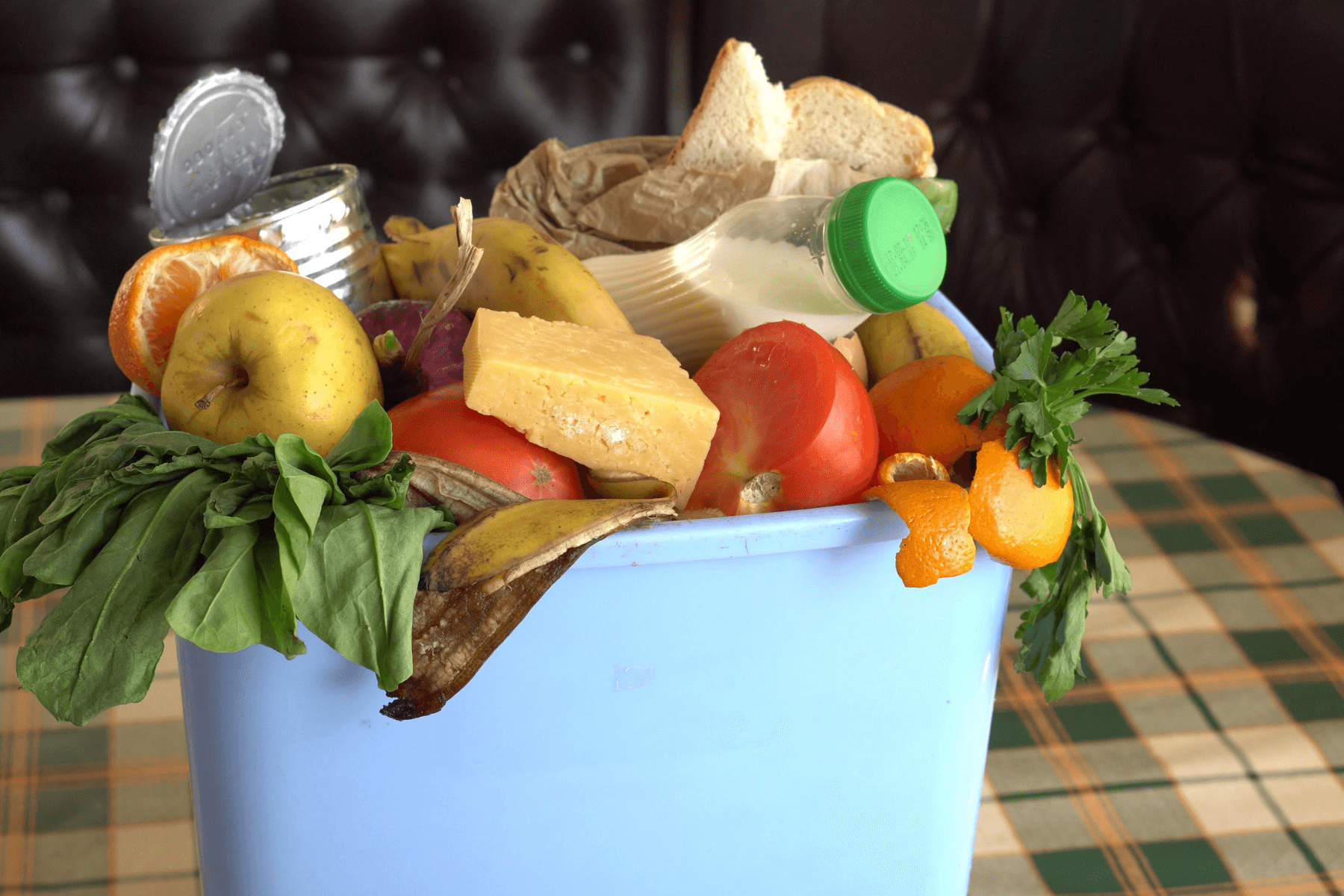
 This vast, vital and complex issue has been brought to the forefront of our minds by the delivery of additional compulsory kerbside food waste bins and household caddies during Spring, prompted by the Government’s commitment to halving per capita food waste by 2030 in line with the UN Sustainable Development Goals.
Separating food waste from general household waste (a third of which is food) will substantially reduce amounts going to landfill with its negative impact(methane gas) Food waste will be aerobically composted for farm and garden fertilizer.
Whilst researching two alarming facts struck me:
- Whilst food poverty is a harsh reality both globally and nationally, one third of all food production is lost or wasted (FLW) although the majority is edible.
- If emissions from food waste were a country it would be the third largest producer. Richer countries being the worst culprits.
Whilst much more could be said about the global supply chains and their impacts, I will focus on our individual responsibility.
According to WRAP (Waste Resources Action Plan) in the UK by far the greatest proportion of food waste – around two thirds is generated from the home whilst retail accounts for 2% the remainder is from farming and manufacturing. Last year 10M tonnes of food was wasted (causing 18M tonnes CO2), meanwhile 7.5M faced food poverty.
Our Responsibility?
We could reduce our food waste by:
- Wise buying (not succumbing to multi buy offers unless useful for timely use or sharing).
- Thoughtful meal planning and creative use of left overs to make additional meals.
- Attention to portion size so plate waste is minimised.
- Buying loose fruit veg where possible so quantity is appropriate (plus plastic avoidance).
- Using farmers markets and any local initiatives where food is fresher.
- Buying seasonally
- Appropriate storage to preserve freshness eg. removing from plastic bags.
- Not overcrowding the fridge
- Going by smell appearance and taste, not ‘best before date’
- Careful cooking so avoiding food spoilage.
- Freezing any excess blanching where necessary.
- Home composting
- Using frozen veg and pulses
- Soups (liquidizing cuts prep)
- Curries, stir fries, vegetable mornays and smoothies.
Food waste translates to greater deforestation, irrigation, land use and damaging production and use of polluting pesticides and fertiliser with resultant greenhouses gases. For greater details on issues raised please refer to the following websites:
Greenpeace – greenpeace.org.uk
Friends of the Earth – friendsoftheearth.uk
World Health Organisation – who.int
WRAP The Waste And Resources Action Plan – wrap.ngo
God loves our planet and its peoples. Tragically thoughtless, greed and ignorance have marred it. Nurturing and healing is possible and our individual actions can make a difference. Now is our opportunity to take thoughtful action.